Tech Bros Are Figuring Out How to Extend Their Lives.
Instead, Let’s Make Life Healthier, Happier, More Peaceful and Enjoyable
By Katlean De Monchy
This week the 20th Annual Global Wellness Summit will take place in Phuket, Thailand. Their 2026 survey indicated that women have grabbed the steering wheel in wellness trends. While technology offered biometrics, the pursuit of longevity, diagnostics, supplements, biohacking, cold-plunge therapies, NAD+ infusions, experimental peptides, gene therapies, extreme diets and cellular rejuvenation, an attempt to turn us into “superhumans,” the Global Wellness survey found that women were focused on becoming more human.
The question is no longer how long we live but how well we live.
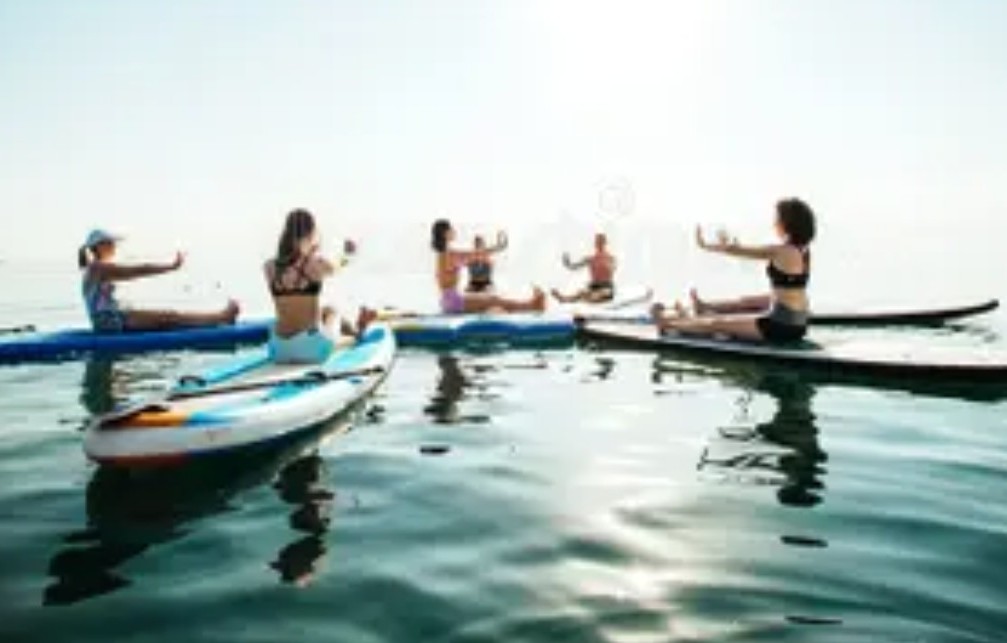
Women are leading the way in new wellness trends: here practcing yoga on paddleboards.
Under the theme The Science, Art and Soul of Wellness, more than 70 international experts will be exploring ways to bring together medicine, creativity, architecture, hospitality, spirituality and human connection.
Longevity may be the buzzword, but this panel is suggesting that are we need to come down to earth with science and not scence fiction.
Dr. Andrea Maier, a leader in precision geromedicine, is one panelist who will be discussing healthy aging and so will Dan Buettner, author of “The Blue Zones,” about regions of the world where people live longer healthier lives, often reaching 100.
Among the other things the Global Wellness survey found is that women were fed up with keeping track of data on wearables, of counting steps and calories and pounds and even eGFR levels. At some point you have to be realistic about what is possible to achieve in daily life.
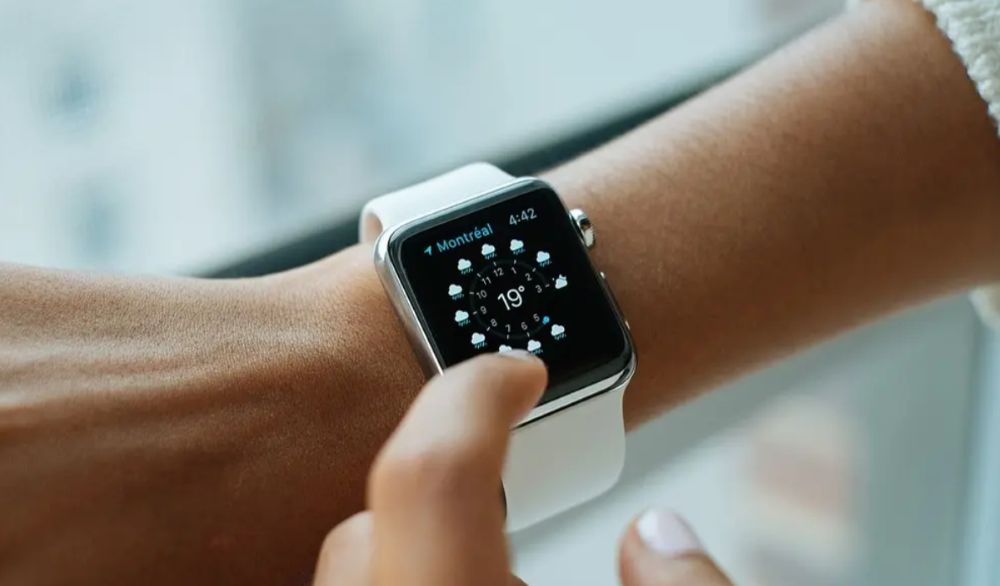
They wanted less stress and measuring, according to the survey. a more natural life, less driven by numbers. And that was true in the gym as well. They didn’t want to feel they were in a competition. If they wanted to do strength training, it wasn’t with a goal of lifting a certain amount. They just wanted to lift some weights. There were no goals other than working up a sweat and feeling good.
In other words, living isn’t a competiton.
The survey did find that women were interested in new treatments that fell under the category of Neurowellness. That would include vagus nerve stimulation or massage, Hapbee to boost REM sleep and another sleep aid, the AI powered headband called Elemind. All this of course in parallel with chatting with what may soon become a virtual best friend.
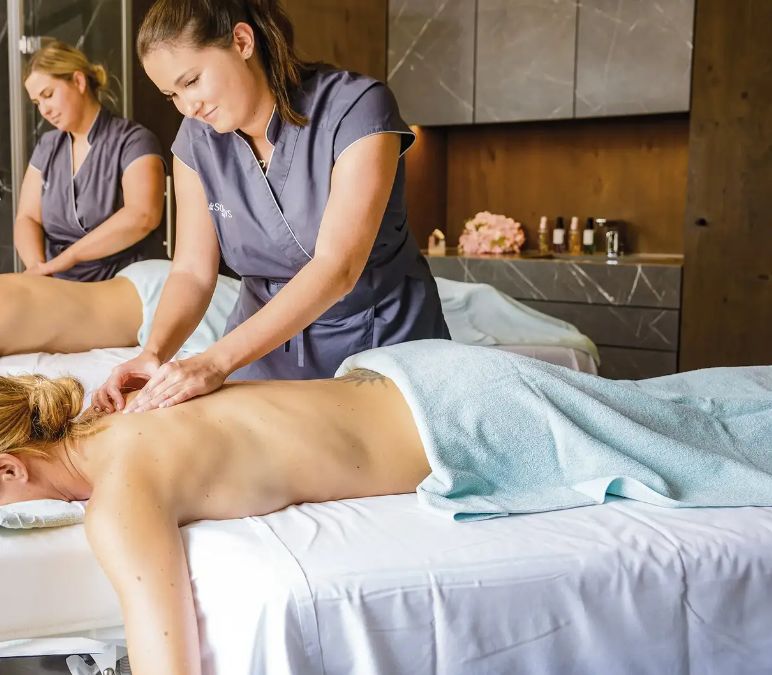
The congress in Phuket has a big focus on high-end design that is meant to sooth and replenish energy and health. Super luxury spas have already sprung up, and it would not be surprising to find spas specializing in people who want to recover from plastic surgery in the most luxurious place possible, while being tended by aestheticians. Or for pregnant women who want want six weeks at a luxury spa where they will be pampered, coddled, massaged, tended to while also given check-ups during their stay. They can eat healthy food, go on hikes, luxuriate in warm baths, swim, do special yoga, have their hair and makeup done — all things to give pregnancy a glow up.
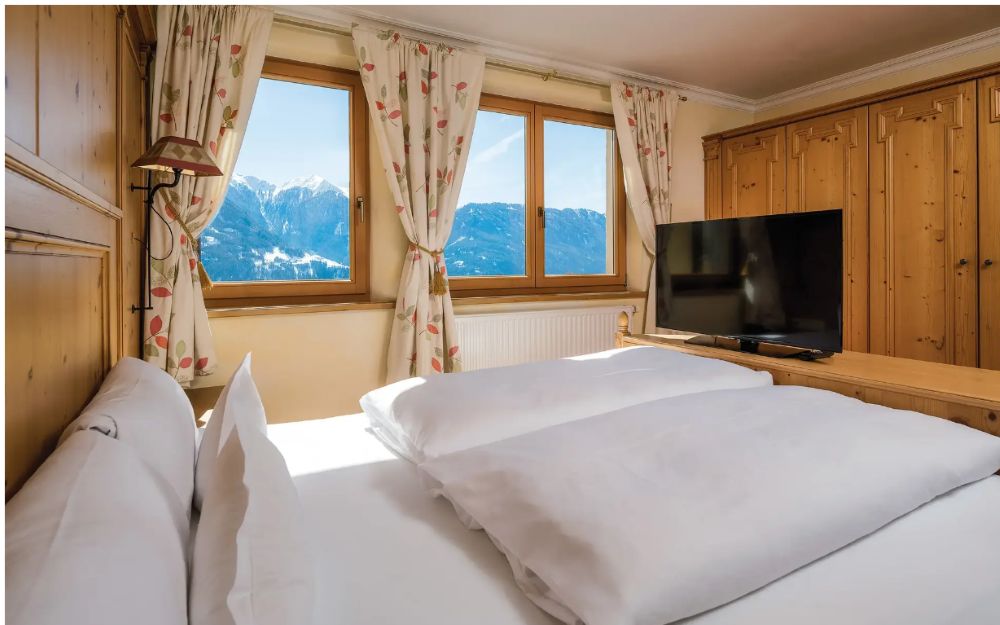
The Schalber WellnessResidenz in the Tyrolean Alps, Austria, is a five-star resort spa that offers exercise for those who want to ski or hike, or more passive pleasures for guests who want to go on gondola rides or sink into heated pools, with massages and gourmet restaurants. Everything is possible.
One of the most obvious developments is the recognition that surroundings influence our wellbeing. That is something techies seem to have missed, by shunning liberal arts and not particularly appreciating painting, creative writing, poetry, baking and cooking, interior design, gardening, history, sociology, anthropology and psychology, in favor of math, computer science, engineering, biophysics, physics and technology. It can lead to puzzling first dates with a techie when he asks something like “How do you know that tastes good?” His world is quantifiable: it’s 20 percent mouth feel, 10 percent chrunchiness, 20 percent that it’s sweet. I think 50 percent I like strawberrry. It’s like explaining strawberry pie to AI. The trends in wellness could be seen as a swerve away from the threat that AI is bringing to modern life.
It’s about the human touches that AI will never understand.
Architect Thomas Heatherwick is provocative. Sometimes it works, and sometimes it doesn’t. Twenty years ago he broke into public consciousness with a foot-bridge in Paddington Basin in London that unrolled like a long tongue from a stainless steel circle. More recently, in New York, he has had hits (Little Island in the Hudson River) and misses (the Vessel, a $250 million, 150-foot-tall open basketweave tower at Hudson Yards; it has been the site of four suicides since it opened in 2020).
At the conference in Phuket he will talk about what uninspiring buildings do to us. Designers, developers and hospitality leaders, he says, should explore how destinations and cities can be created to encourage connection and improve the way we feel.

Heatherwick’s 2002 Footbridge in Paddington Basin. It unrolls in eight sections. He believes that most architecture is boring.
Bringing that home, it is important, as well. that homes be healthy, without toxic materials and built to be ecologically sensitive. I have a number of experts ready to talk about how our homes can be quiet, can be built without plastic or unwanted particulate material, and can be heated and cooled with minimal energy. It’s all based on a system of thick walls, air circulation and triple glazed windows. The Passive House movement.
More about that later.
Art, music, film and immersive entertainment are also part of the wellness experience. The concept of “well-tainment” means more than endlessly playing Enya. There may be recordings of quiet in the Amazon, broken only occasionally by something moving through the brush and then a bird flying through a tree — or was that a capuchin monkey? Or it can be a Gregorian chant. A piano variation. Oboes. New age music. Nigerian women singing while they wash clothes in a river. Feeling good may be as much about what moves us emotionally as what improves us physically.
Once again there is interest in ancient wisdom, spirituality, purpose and nature. At the conference the Buddhist monk and spiritual teacher Ajahn Jayasāro will speak about the idea that wellness is another kind of self-improvement. It is, he says, a deep reverence for your own being, and that of all living creatures.
Which leads directly to a contradiction. Luxury hotels, spas, resorts and cruise ships market such features as health, wellbeing and aryuvedic practices. But those are also advertising buzz words. Can they market luxury and wellness and still have a soul? How do you find a hotel or spa or resort that really means it?
Some brands, like Goop, rely on figureheads, like Gwineth Paltrow. or Martha Stewart. The Aman resorts have always been a cut above commercial hotel/resorts. But there are lots of unknown names among the ones now advertising their wholistic retreats. Some of the sponsors of the Global Wellness Conference in Phuket include Thai outposts of international brands, and local megabrands, like the Banyan Group, which is based in Singapore and owns 70 hotels and resorts and 60 spas in Asia, Europe, North America and Africa. There are also international brands like Amway, Hyatt and Kohler, as well as wellness and nutritional companies.
It’s a challenge for an industry that has spent years selling increasingly elaborate escape fantasies to now turn around and sell intimacy.
Part of the wellness experience is sharing it with others.Wellness also means finding a community. We judge a location not just as a nice spa to visit, but we want to feel welcome there. We like to feel part of the place. What’s best is to feel that you could live there, that you’ve found your place. It’s not only the staff at the hotel and the spa. It’s the other people there. You want to feel that the people who come there are just like you.
How can a hotel create that community? Can a wellness destination grow an identity?
Business leaders from international corporations like Banyan Group, Chiva-Som, Clinique La Prairie (Thailand) and others are workshopping those questions. Smaller hotels and resorts are going to have to rely on their unique charm, and devoted travelers who come back season after season to develop that reputation.
When the Global Wellness Institute unveils its 2026 Global Wellness Economy Monitor later this month, there will be fresh research that will send resorts and hotels big and small scrambling to rethink their identities.
KAT‘S TAKE
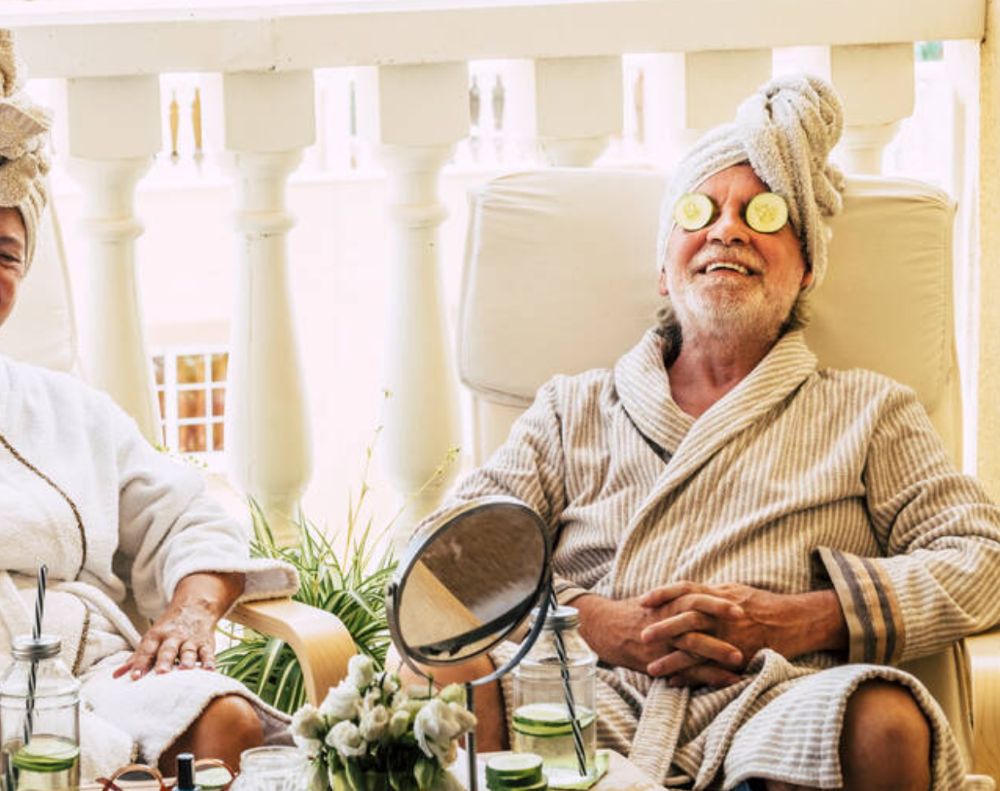
It seems to me that wellness is finally becoming less about optimization and more about the human experience.
We can measure our sleep, track our steps, monitor our biological age and count our supplements. But how do we measure joy? The feeling of belonging? The excitement of discovering something new? Or the simple pleasure of being somewhere that makes us feel alive?
Perhaps that’s the next frontier.
The Global Wellness Summit’s 20th anniversary gathering in Thailand brings together science, creativity and ancient wisdom. But, if the discussions are any indication, future wellness may have less to do with chasing immortality and more to do with making the most of being here now.